“Interactive” can mean a lot of things in the dog toy aisle. Sometimes it’s a puzzle. Sometimes it’s a toy that makes noise. Sometimes it’s a plush that your dog carries everywhere and brings back to you for the next round.
For most pet parents, the goal is simple: give your dog something that meets a real need—movement, problem solving, connection, comfort—without turning your home into a pile of half-used toys.
This guide breaks interactive dog toys down into clear categories, shows how plush dog toys and a squeaky dog toy can fit into a calmer routine, and helps you choose based on your dog’s actual play style.
Fewer, better essentials.
What “interactive” actually means (and what it doesn’t)
A truly interactive toy does at least one of these:
-
Invites decision-making (your dog has to figure something out)
-
Rewards engagement (movement, scent work, or a treat/goal at the end)
-
Creates connection (the toy is a bridge between you and your dog)
What it shouldn’t mean: “louder,” “more complicated,” or “buy more things.”
Interactive is about purpose, not features.
The three types of interactive play
1) Food-based problem solving
These are the classics: puzzles, treat-dispensing toys, snuffle mats, lick-based enrichment.
They can help:
-
slow down fast eaters
-
give busy brains a job
-
support calmer downtime after walks
Use them intentionally. Start easy, increase difficulty slowly, and keep sessions short if your dog gets frustrated.
2) Hunt + search games
Not every dog wants a puzzle. Many dogs want a mission.
Simple “hunt” interaction can look like:
-
hiding a toy in another room
-
tossing a treat gently into a towel fold (supervised)
-
short “find it” games that end with a calm reward
This kind of interactive play often works well for dogs who get overstimulated by constant squeaking or rough tug.
3) Play-with-you interaction
For a lot of dogs, the most interactive dog toy is the one that reliably brings you into the moment.
That can be:
-
a toss-and-retrieve toy
-
a tug shape (when appropriate for your dog)
-
a plush your dog loves returning to you
It’s less about intensity and more about rhythm: a few minutes of play, then a clean finish.
Where plush dog toys fit in
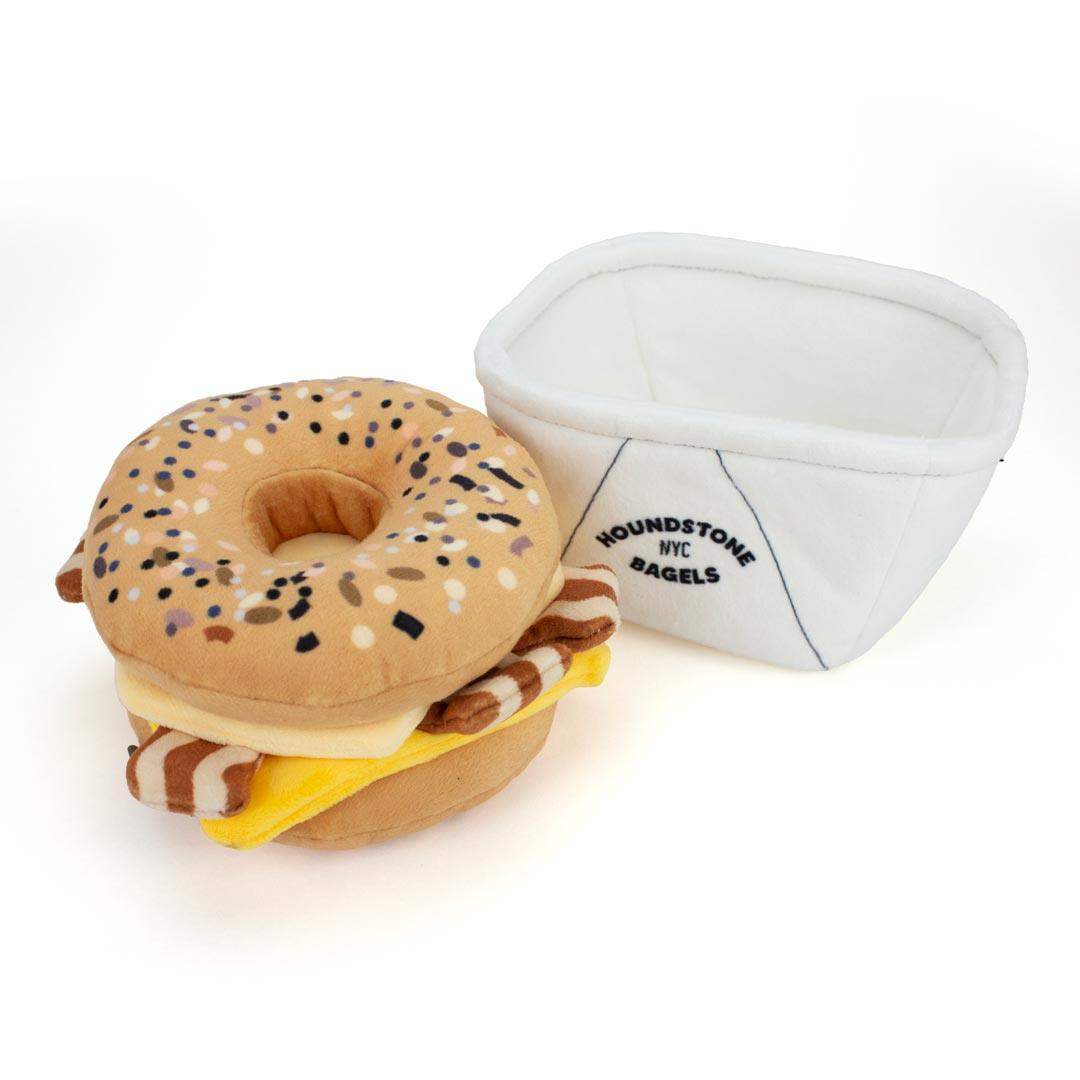
Plush dog toys get dismissed sometimes because they’re “soft.” But softness can be the point. Plush can be interactive when it supports:
-
comfort play (carry, cuddle, settle)
-
retrieve play (bring it back, repeat)
-
gentle engagement (for seniors or sensitive dogs)
For pet parents searching “dog plush” or “dog stuffed animals,” the question is usually: Will my dog love it, and will it last long enough to feel worth it?
A good plush choice comes down to two things:
-
matching the plush to your dog’s intensity level
-
supervising if your dog tends to shred or ingest pieces
Plush isn’t automatically “less enriching.” It’s just a different kind of enriching.
Squeaky dog toy basics: when squeakers help, when they don’t
A dog squeaky toy can be fantastic for motivation—especially for dogs who love chase, pounce, and quick bursts of play.
A squeaker can help when:
-
your dog needs encouragement to engage
-
you’re using it for short, structured play sessions
-
it’s part of a reward loop (play → pause → calm)
A squeaky toy may not help when:
-
your dog gets overstimulated and can’t settle afterward
-
your dog obsessively hunts the squeaker to remove it
-
the squeaking escalates frustration rather than focus
The rule of thumb: squeak should support regulation, not derail it.
How to choose safely by play style
Use your dog’s play style as the filter, not the label on the packaging.
-
Gentle mouther: plush dog toys, comfort shapes, soft textures
-
Shaker: sturdier shapes, fewer dangly parts, supervised play
-
“Squeaker surgeon”: squeaky dog toy only with supervision; retire if exposed
-
Shredder: plush as a short-session toy; rotate often; remove at first tearing
-
Sensitive/senior dogs: calmer interactive options (scent games, gentle plush, low-noise play)
No toy is “one size fits all.” The best choice is the one that fits how your dog actually plays today.
Made with restraint. Chosen with intention.
A simple weekly toy rotation that reduces chaos
A rotation keeps toys interesting without buying more.
Try this:
-
Keep 4–6 toys out at a time
-
1 plush (comfort or retrieve)
-
1 interactive (puzzle/snuffle/lick)
-
1 movement toy (toss/tug style)
-
1 squeaky dog toy (optional, based on your dog)
-
-
Put the rest away.
-
Swap 2 toys each week.
This reduces clutter, keeps novelty high, and makes wear-and-tear easier to notice early.
The Houndstone approach: fewer toys, better play
We believe pet parents shouldn’t have to second-guess what they bring home. Toys should support real life: daily play, calmer routines, and pieces that are meant to be used—not collected.
That’s why we think about toys through a simple lens:
-
Does it serve a real need for the dog?
-
Will it hold up to the way dogs actually play?
-
Is it built with restraint—no extra parts just to look busy?
Thoughtful materials. Honest sourcing.